

Pain Relief and Arthritis
Current info about Pain Relief and Arthritis is not always the easiest thing to locate. Fortunately, this report includes the latest Pain Relief and Arthritis info available.
According to medical experts, when you have arthritis, you’re likely to suffer other diseases. People who have arthritis often feel joint pains because it is accompanied by inflammation. Arthralgia is the medical term for the joint pain. There are over 40 million arthritis sufferers in the United States and they are all continuously looking for effective pain relief. The disease is considered debilitating because sufferers can hardly stand the inflammation and pain.
Arthritis can affect different parts of your body but in most cases, the pain and inflammation occurs on the – tendinitis, fibromyalgia, sclerodermal, and joint types or articular. Tendinitis aims at the tendons; Sclerodermal refers to the thickening of the connective tissue and skin; when the muscles become tender and sore especially when touched, it is called fibromyalgia; and the articular refers to lupus or gout and it can be really painful.
You can’t really tell when arthritis is going to hit you; whether you’re young or old, you can suffer from arthritis. At present, a majority of arthritis sufferers have Osteo-Arthritis and Rheumatoid Arthritis. People who have these conditions feel persistent back and joint pains. The causes of Osteo-arthritis and Rheumatoid arthritis are different, as well as the effects and risk factors. If you’re also suffering from the same symptoms, you can choose among the different pain relief devices, drugs, and products sold in the market. In the US, Osteo-arthritis affects more or less 21 million individuals in different age ranges. If you have this condition, it’s natural to have swollen limbs. Your joint cartilage is affected and it also results to stiffness. The condition is commonly called OA and it can affect different body parts like the spine, hips, knees, and fingers. Other parts like the ankles, shoulders, elbows, and wrists can also be affected but this seldom happens. According to medical experts, these parts are subject to OA if there is a history of unusual stress or injury. Physical trauma and repetitive injury during early age can also cause OA.
It seems like new information is discovered about something every day. And the topic of Pain Relief and Arthritis is no exception. Keep reading to get more fresh news about Pain Relief and Arthritis.
The common OA symptoms are intermittent or steady joint pain, stiffness especially an inactive period, tenderness or swelling of a joint/joints, and crunchy feeling when you use your joints.
The only way to determine if you have OA is through an x-ray test. If the symptoms are already present, the doctor will request an x-ray test. The x-ray results will reveal the cartilage deformation as well as the tissues around it. Joint Aspiration can also be performed by a qualified doctor. A synovial fluid will be taken from your affected joints with the use of a tiny needle.
Rheumatoid arthritis is another dreaded condition because it is characterized by chronic and progressive pain of the joints. The synovial tissues tend to increase in size and this is called hyperplasia. This condition provokes bone and cartilage destruction. Damaged cells will eventually die and it also promotes abnormal growth of the surrounding tissues. Natural products like cod liver, olive oil, and ginger act as pain relievers. These are renowned and affordable products which can relieve pain effectively. Try them out now and see the pain relievers can also work for you. When you feel chronic and progressive joint pains, consult a doctor right away because you may be suffering from arthritis already. It would be best to address your condition at an early stage to prevent the onset of undesirable effects of the disease.
Hopefully the sections above have contributed to your understanding of Pain Relief and Arthritis. Share your new understanding about Pain Relief and Arthritis with others. They'll thank you for it.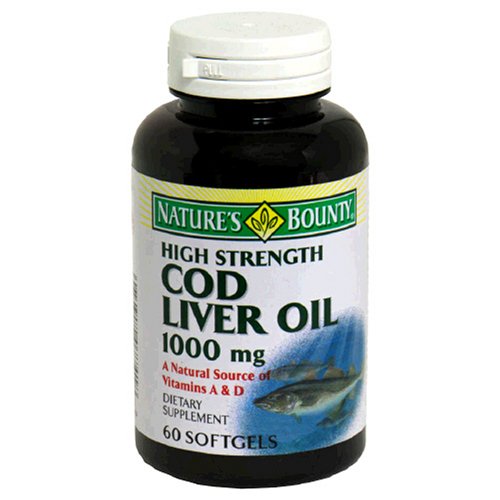
Nature's Bounty Cod Liver Oil, Omega-3 Norwegian, 1000mg, 60 Softgels (Pack of 4)
Thursday, October 8, 2009
Pain Relief and Arthritis: According to medical experts, when you have arthritis, you’re likely to suffer other diseases


Arthritis Treatment: Informative tips that will help you have a better experience with arthritis treatment
Fish Oil Supplements in the Treatment of Arthritis
The following article lists some simple, informative tips that will help you have a better experience with arthritis treatment.
The term 'arthritis' describes a wide range of diseases that affect the joints. Osteoarthritis, also referred to as degenerative arthritis, is by far the most common form. Inflammatory arthritis is a general term for many different arthritic diseases in which the specific joints are inflamed. Generally, all forms of arthritis, which in addition to osteoarthritis and inflammatory arthritis include rheumatoid arthritis, arthritis caused by gout or infection, septic arthritis, reactive arthritis and Reiter's syndrome, are characterized by joint pain, swelling and stiffness, and a reduced range of motion in a joint. Chronic dietary deficiencies in which such vital nutrients as vitamins, antioxidants, minerals and omega 3 fatty acids inhibit the body's ability to repair the damage caused by stress in the joints, injuries, repetitive motions or the relentlessness of aging. Being overweight also contributes to the problem, as it puts inordinate stresses on the weight-bearing joints. Lack of exercise is another problem.
Because of the great number of people afflicted by this condition - over 40 million Americans alone - there is always a number of ongoing clinical laboratory trials, and continuous research by drug companies, hospitals, and universities to find ways of curing the disease or ameliorating its effects. There are also any number of companies selling cures of all kinds. It can be a daunting task to separate fact from hype. Where lies the truth?
We'll take a look at the benefits of fish oil supplements, one of the more well-tested and proven remedies which works to relieve the pain of arthritis by reducing the inflammation that causes the flare-ups. For sufferers, there is some encouraging evidence from a number of independent laboratory studies, animal studies, and clinical trials about the potential usefulness of fish oil, or omega-3 supplements, for various aspects of arthritis and the joint pain that characterizes it.
Fish Oil - Its Potential
The pain of, for example, Rheumatoid arthritis is thought to result, at least in part, from an over activity of the inflammatory agents found in Arachidonic Acid. Arachidonic acid is an unsaturated fatty acid that the body uses to synthesize regulatory molecules. It is a form of Omega 6 fatty acid, which is a good fat and is essential to good overall health. It does, however, play a central role in the inflammation related to many chronic conditions. Individuals suffering from joint pains or active inflammatory disease may find that increased consumption of arachidonic acid (various vegetable oils are excellent sources of it) exacerbates their symptoms, the likely reason being that more of it is readily converted into inflammatory compounds.
Fish oil is comprised of the Omega 3 fatty acids EPA and DHA which are well documented to have anti-inflammatory properties. Balancing Omega 6 fats with more Omega 3 fats will significantly reduce the amount of inflammation in your body. The main ingredients of fish oils are also reputed to reduce the chances of breast, colon and prostate cancer where the fatty acids may halt the development of a cancerous mass from healthy cells, inhibit cell growth and cause the death of cancer cells. Though less well studied, there is also evidence that fish oil may be instrumental in preventing certain types of depression including schizophrenia, bipolar disorder and attention deficit disorder. It may also helpful in treatment of the Huntington's disease, inflammatory bowel disease, systemic lupus and other inflammatory conditions.
It is difficult to get therapeutic amounts of fish oil by eating fish alone. Most dietitians will recommend that the consumption of fish be limited to a maximum of two 3-ounce servings of fish a week. Fish is a very protein-rich food, and a high intake of proteins has been shown to cause high levels of uric acid - the prime culprit in the arthritis-like condition known as gout. Gout is a most painful condition which is specifically related to elevated levels of uric acid in the bloodstream which ultimately crystallize and get deposited in cartilage, joints, tendons and surrounding tissues. Eating some fresh fish, though, is definitely worthwhile since it is a healthy choice. Not surprisingly, the same types of fish which, when eaten fresh are also the best sources of the essential dietary fish oil, are also the best sources for making fish oil supplements. These include cold-water fish such as salmon, cod, mackerel, halibut, tuna, and herring. So, since diet alone is not the best source of getting the recommended amount of fish oil, other dietary steps and supplements that reduce uric acid should be considered because they provide the omega-3 without providing the protein. There are benefits of fish oil in treating all types of the disease, because it has natural anti-inflammatory properties.
Clinical trials (randomized) have demonstrated that patients with rheumatoid arthritis who include a daily omega-3 supplement in their regimen experience reduced pain, less morning stiffness and improved joint motility. They were also able to reduce the amount of NSAID drugs and anti-inflammatory drugs they were taking, thereby lessening the damaging effect on the liver that those drugs have been known to cause.
The Type of Fish Oil is Also Important
Many people are looking for an arthritis treatment that is both safe and also effective. Fish oil is worthy of attention, but with such a proliferation of different brands on the shelves, which types are worth consideration? Not just any fish oil will be effective. Make sure that any brand you purchase is ultra-refined to remove the impurities and toxins which are absorbed through fish skin such as mercury, PCBs, and lead. The product should also be rich in omega 3 fatty acids, particularly in ones called DHA (Docosahexaenoic acid) and EPA (Eicosapentaenoic acid). Research has shown that DHA and EPA have more anti-inflammatory properties than the other essential fatty acids.
Both DHA and EPA inhibit pro-inflammatory cytokines. Cytokines are a vast classification of proteins, some good, some bad, that are produced by the body and serve as chemical messengers between cells. They interact with the cells of the immune system to regulate both inflammatory responses, such as seen in arthritis sufferers, as well as the body's response to infective agents and diseases. DHA and EPA inhibit the inflammatory function of the cytokines by binding themselves to the target immune cells to disrupt their harmful effects.
Several independent tests have shown that a dietary supplement of fish oils (DHA and EPA) rich in Omega 3 fatty acids can result in a significant lessening of chronic pain and joint pain in rheumatoid arthritis sufferers by markedly reducing interleukin-1 beta (which is one of the pro-inflammatory cytokines) creation. They have a positive effect on the immune system and do not foster unwanted side effects such as those seen with anti-inflammatory drugs.
Omega 3 fish oil is only an effective arthritis treatment if it has a high level of anti-inflammatory activity in the body. Consumers are able to find out from the manufacturers themselves what the level of anti-inflammatory is in their products, because the producers can have the level of anti-inflammatory ingredient accurately measured.
Besides being an effective anti-inflammatory, fish oils offer many other health benefits. We know that fish oil is an excellent source of omega-3 fatty acids, which can reduce inflammation. We also know that fish oil lowers blood trigylceride (fats that circulate in the blood stream, the 'bad cholesterol'), thereby protecting against heart disease and reducing high blood pressure. Fish oil may be valuable as well in the treatment of hardening of the arteries (atherosclerotic cardiovascular disease), which starts with inflammation of the artery wall. Fish oil, too, appears to stabilize certain arterial plaques that build up and can sometimes break loose to initiate heart attacks and strokes. Because persons afflicted with rheumatoid arthritis have a significantly increased risk for developing atherosclerosis, the potential benefit of fish oil is doubled.
Some rheumatoid arthritis sufferers using fish oil supplements may be able to use it as an effective alternative to the prescription drugs VIOXX and Celebrex without having a flare-up of joint pain in their disease. Researchers have shown that long-term supplementation with fish oils may really benefit rheumatoid arthritis patients and can, indeed, lessen their need for the aforementioned prescription arthritis treatments.
If you choose to use fish oil supplement for relief of arthritis pain, it is important to use a pharmaceutical grade of the product, since inferior grades of fish oil may have contaminants and lower levels of DHA, EPA and omega-3 fatty acids. Current research suggests that lower grade fish oils with high levels of chemicals like polybrominated diphenyl ethers (PBDEs) may actually reduce or eliminate the positive effects of DHA, EPA and omega-3 fatty acids.
We know with great certainty that fish oil is an excellent source of omega-3 fatty acids, which can reduce inflammation. We know, too, that fish oil lowers blood trigylceride (fats that circulate in the blood stream), protecting against heart disease and reducing high blood pressure.
Truthfully, the only difference between you and arthritis treatment experts is time. If you'll invest a little more time in reading, you'll be that much nearer to expert status when it comes to arthritis treatment.
Dosage Recommendations
Although, as mentioned earlier, it's difficult to get a therapeutic dose of fish oil from food alone, for general health two 3-ounce servings of fish a week are recommended. To treat arthritis-related conditions, use fish oil capsules with at least 30 percent EPA/ DHA, the active ingredients. For rheumatoid arthritis, up to 2.6 g fish oil (1.6 g EPA) twice a day.
For mild pain, a supplement that provides 1000mg of omega3s per day should be effective. Hand pain, general stiffness or redness and inflammation, are signs that more help is needed and the dosage can be increased.
For severe pain, up to 3 grams of fish oil once per day can help to reduce joint inflammation. If, to that dosage you add a bit of olive oil, you may experience less morning stiffness. Fish oil comes in a variety of preparations. The most common is gel caps. Each gel cap should contain at least thirty per cent EPA/DHA, which are the active compounds.
For rheumatoid arthritis about 2.6 grams of fish oil containing 1.6 grams of EPA should be taken twice a day. Fish oil works by reducing inflammation and there is not, thus far, convincing evidence to suggest that fish oil can, in any significant way, retard the progression of rheumatoid arthritis. To the extent that it may help, the effect, if it exists, is relatively mild.
Still, there are those who rely on data from at least a few randomized double-controlled studies which have demonstrated a beneficial effect of dietary fish oil in rheumatoid arthritis sufferers. More than nine studies overall have shown statistically significant reductions which have relived symptoms of joints soreness.
In many of these studies, patients were able to lower the amount of non-steroidal anti-inflammatory medications and corticosteroids. One study suggested that combining fish oil with olive oil may enhance the anti-inflammatory effects of fish oil. In some people, the high amounts of omega-3s that are present in fish oil can increase the risk of bleeding or can affect the time it takes blood to clot. If a person is taking drugs that affect bleeding or is going to have surgery, this is of special concern. Fish oil supplements interact with medicines for high blood pressure, so taking them together might lower a person's blood pressure too much.
Caveats
Certain species of fish can contain high levels of contaminants such as mercury due to environmental pollution. Using the oils from contaminated fish could pose a health risk, especially for pregnant or nursing women and for children. People fitting these descriptions may want to avoid eating cold water fish because of the danger of mercury toxicity. Shark, swordfish, king mackerel, and tilefish are the species of fish that the Federal Government has found to have the highest levels of mercury. Anyone who makes the decision to use fish oil in the treatment of arthritis symptoms should look for products made from species of fish with demonstrated lower levels of mercury. They should also only purchase pharmaceutical grade supplements, which are refined to remove impurities. Government information on this topic is available in the form of two Federal publications called "Mercury Levels in Commercial Fish and Shellfish" and "What You Need to Know About Mercury in Fish and Shellfish: Advice for Women Who Might Become Pregnant, Women Who Are Pregnant, Nursing Mothers, and Young Children." These tracts are available online and are co-published by the U.S. Department of Health and Human Services and the U.S. Environmental Protection Agency.
It is also a good idea to examine whether the manufacturer of the fish oil supplement does its own testing on the product for the presence of contaminating substances and to see whether the results of those tests are available.
Another noteworthy point about the safety of fish oil products is that certain supplements may contain in their list of ingredients a product called fish liver oil. This substance may well contain a higher dosage of vitamin A than is recommended as a daily dosage. For some individuals this could be a potential source of problems. Also, some patients with blood disorders who have been prescribed an anticoagulant therapy with the drug warfarin may notice their clotting times will become erratic.
Generally though, for low doses of fish oil supplements, the side effects are mild and can include gastrointestinal symptoms including gas, belching, stomach disturbances, and nausea. Others have also reported diarrhea, spontaneous nosebleeds and sores in the nostrils. These symptoms are not common and may be indicative of other medical conditions unrelated to arthritis.
Final Notes
In addition to the obvious benefits of including a fish oil supplement in the diet to offset the symptoms of arthritis, there are lifestyle changes which could affect an even greater positive outcome in the treatment of the pain associated with swollen joints. Losing weight and performing any of a series of special exercises specifically designed to reduce joint stiffness and improve overall flexibility can be of great help. Addressing those lifestyle issues is a good first step. Just be aware that most of the conventional treatments for arthritis include taking pain relieving drugs, which do not actually address the root cause of the joint soreness problem and most of them have been proven to be detrimental to liver function. Certain pharmaceuticals such as VIOXX, Bextra, Celebrex and other COX-2 inhibitors negatively affect the heart, as well.
But, there is no doubt that omega 3 fish oil is highly beneficial to your overall health. At the very least, it should be considered as a complementary addition to any other arthritis treatment. It has been recommended as an essential component to a heart healthy diet for many years. Its omega 3 fatty acids can be absorbed easily and the EPA and DHA have proven to play a very crucial role in development of normal brain cell activity, proper functioning of nervous system, as a protection against heart diseases (by reducing the fatty deposits in arteries) and can even contribute to better eyesight, decrease dryness in the eyes and help to stop the inevitable decline in eyesight that comes with the increasing age.
Eating fresh fish is a great way for the body to get enough fatty acids, but to get the maximum advantage of its benefits, the concentrated fish oil available as a supplement represents the most efficient and easily digestible alternative.
In summary, choose a high quality pharmaceutical grade, preferably molecularly distilled fish oil supplement. Although a bit more expensive, you can be assured of receiving the most benefits from an already proven source of treatment for the effects of joint pain and stiffness.
If you are interested in pharmaceutical grade supplements to ensure you get enough Omega 3 in your diet, I recommend that you consider these  Fish Oil Supplements.
KMax Alaska Deep Sea Fish Oil, Super Omega 3 1000mg 100 Capsules
Is there really any information about arthritis treatment that is nonessential? We all see things from different angles, so something relatively insignificant to one may be crucial to another.
KMax Alaska Deep Sea Fish Oil, Super Omega 3 1000mg 100 Capsules
KMax Alaska Deep Sea Fish Oil, Super Omega 3 1000mg 100 Capsules
Technorati Tags:
Fish Oil Supplements arthritis treatment, fish oil rheumatoid arthritis, essential fatty acids fish oil, fish oil anti inflammatory, omega 3 fish oil supplements, epa and dha fish oil, fish oil capsules, fish oil pain relief, fish oil osteoarthritis

Arthritis

The best course of action to take sometimes isn't clear until you've listed and considered your alternatives. The following paragraphs should help clue you in to what the experts think is significant.
Arthritis (from Greek arthro-, joint + -itis, inflammation; plural: arthritis) is a group of conditions involving damage to the joints of the body.
There are over 100 different forms of arthritis[1]. The most common form, osteoarthritis (degenerative joint disease) is a result of trauma to the joint, infection of the joint, or age. Other arthritis forms are rheumatoid arthritis, psoriatic arthritis, and autoimmune diseases in which the body attacks itself. Septic arthritis is caused by joint infection. Gouty arthritis is caused by deposition of uric acid crystals in the joint, causing inflammation. There is also an uncommon form of gout caused by the formation of rhomboid crystals of calcium pyrophosphate. This gout is known as pseudogout.
If you base what you do on inaccurate information, you might be unpleasantly surprised by the consequences. Make sure you get the whole Arthritis story from informed sources.
History and physical examination
All arthritis feature pain. Pain patterns may differ depending on the arthritis and the location. Rheumatoid arthritis is generally worse in the morning and associated with stiffness; in the early stages, patients often have no symptoms after a morning shower. In the aged and children, pain might not be the main presenting feature; the aged patient simply moves less, the infantile patient refuses to use the affected limb.
Elements of the history of the disorder guide diagnosis. Important features are speed and time of onset, pattern of joint involvement, symmetry of symptoms, early morning stiffness, tenderness, gelling or locking with inactivity, aggravating and relieving factors, and other systemic symptoms. Physical examination may confirm the diagnosis, or may indicate systemic disease. Radio-graphs are often used to follow progression or assess severity in a more quantitative manner.
Knowing enough about Arthritis to make solid, informed choices cuts down on the fear factor. If you apply what you've just learned about Arthritis, you should have nothing to worry about.
 Cure Your Arthritis Naturally From Home In 1 Month!


